

Mosquito Control in Sonoma & Marin County: Protecting Your Home, Family, and Yard
By the ATCO Pest Control Team — Licensed Pest Control Operators, Sonoma & Marin Counties
Published May 2025 | Updated May 2025
|
Serving the North Bay since 1985
|
Licensed & Certified Technicians
Warm evenings, backyard dinners, and time outdoors are part of what makes Sonoma and Marin County living so enjoyable — until mosquitoes show up.
Mosquitoes are more than a seasonal nuisance. They breed in standing water, develop quickly in warm weather, and some species can spread disease. For North Bay homeowners in Petaluma, Santa Rosa, Novato, and surrounding communities, the key to mosquito control is understanding where they are coming from, what type of mosquito activity is present, and how to reduce the conditions that allow them to multiply.
At ATCO Pest Control, mosquito management is handled through an Integrated Pest Management (IPM) approach. That means we focus on inspection, habitat reduction, monitoring, and targeted tools designed to reduce mosquito pressure without relying on unnecessary broad applications. As a Diamond Certified company, ATCO has been serving Sonoma and Marin County homeowners for over 40 years — and that local experience makes a real difference when it comes to identifying the specific mosquito conditions common to the North Bay.
Two Mosquito Groups North Bay Homeowners Should Know
California has many mosquito species, but two groups are especially important for residential mosquito control in Sonoma County and Marin County: Culex mosquitoes and Aedes mosquitoes. Understanding the difference explains why mosquito control is not a one-size-fits-all service.
Culex Mosquitoes
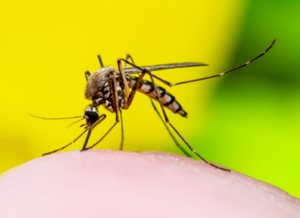
Culex mosquitoes are most active around dusk and dawn and are strongly associated with stagnant water. In California, Culex mosquitoes are the primary vector of West Nile virus, with cases confirmed in Sonoma County in recent years. Around homes, they may breed in neglected pools, drainage areas, clogged gutters, or other water sources that remain still long enough for larvae to develop.
Aedes Mosquitoes
Aedes mosquitoes behave differently. They are aggressive daytime biters and are strongly associated with small containers and hidden water sources. Plant saucers, buckets, yard debris, drains, and even bottle caps can support Aedes activity. Their eggs are resilient and populations can build even when the breeding source seems too small to matter.
Of particular concern in Northern California is Aedes aegypti, an invasive species now established in parts of the state. This species can survive in extremely small water sources and is an aggressive daytime biter that can be difficult to control without a targeted, professional approach.
Because Culex and Aedes mosquitoes use different breeding sites and bite at different times, a successful mosquito program begins with identifying the conditions on the property — not simply treating the air where mosquitoes are noticed.
Why Mosquitoes Thrive Around North Bay Homes
The North Bay’s warm summers, coastal fog, agricultural irrigation, and dense residential landscaping create nearly ideal mosquito conditions. Properties in Sonoma County’s wine country often feature extensive irrigation systems, ornamental ponds, and mature trees with deep shaded areas — all of which can support mosquito populations through the dry season. Marin County homeowners frequently deal with drainage issues, canyon microclimates, and heavily landscaped hillside properties that hold moisture longer than typical lots.
Mosquitoes need water to complete their life cycle, and they don’t need much of it. Even small amounts of stagnant water can allow larvae to develop. Common breeding areas include bird baths, plant saucers, clogged gutters, decorative ponds, drainage areas, buckets, unused containers, low spots in landscaping, neglected pools, and overwatered lawns. Dense vegetation and shaded areas also provide resting places for adult mosquitoes during the day.
This is why mosquito issues often persist even when a homeowner feels the yard is clean and well-maintained. The breeding source may be small, hidden, or located on a neighboring property. A thorough inspection helps identify what can be corrected and where additional control tools may be needed.
Mosquito Season in Sonoma & Marin County
In Sonoma County and Marin County, mosquito season typically runs from April through October, with activity peaking between June and September when daytime temperatures consistently exceed 70°F. Warmer-than-average winters can extend the season on both ends.
Culex species tend to emerge earlier in spring as water temperatures warm. Aedes populations often spike after periods of rain followed by warm weather, which activates dormant eggs. The most active treatment window for North Bay properties is generally May through August, though late-season populations in September and October can still cause significant problems during outdoor events and harvest season in wine country.
Starting control measures before peak season — in April or early May — is always more effective than reacting to an established population mid-summer.
Ready for a Free Mosquito Inspection?
Our licensed technicians serve Sonoma County and Marin County. We’ll identify your breeding sites, explain your options, and build a plan that fits your property.
Understanding the Mosquito Life Cycle
Mosquitoes develop through four stages: egg, larva, pupa, and adult. The first three stages are tied to water. Female mosquitoes lay eggs in or near water, larvae develop below the surface, pupae continue the transition, and adults emerge ready to fly, mate, and continue the cycle.
During warm North Bay summers, this process can happen in as few as 7 to 10 days. A small water source that goes unnoticed on a Tuesday can be producing adult mosquitoes by the following weekend. This is why the most effective mosquito control programs focus heavily on source reduction and larval control, not just adult mosquitoes.
Health and Comfort Concerns
For most people, mosquito bites are irritating and disruptive. But mosquitoes in California carry real health risks. West Nile virus remains the primary concern — it is transmitted by Culex mosquitoes and has been detected in Sonoma County. While most infected individuals experience mild or no symptoms, the virus can cause serious illness in older adults and immunocompromised individuals. The California Department of Public Health and Marin/Sonoma Mosquito and Vector Control District actively monitor mosquito populations and disease transmission risk in the region.
Mosquito bites can also cause allergic reactions, secondary skin infection from scratching, and significant discomfort for children and pets. Even when disease is not the primary concern, a yard that isn’t usable during summer evenings is a real quality-of-life issue. A good control program helps homeowners reclaim those spaces with a practical, prevention-based approach.
What You Can Do as a Homeowner
Reducing mosquito activity starts with eliminating breeding sites. Homeowners can make a meaningful difference by walking the property regularly and correcting small water problems before they become mosquito problems. These steps are especially important in April and May, before peak season arrives.
- Empty standing water from containers, buckets, toys, tarps, and plant saucers
- Change water in bird baths and pet dishes at least twice per week
- Keep gutters clean and draining properly — especially after spring rain
- Repair leaks and drainage issues that create damp or stagnant areas
- Avoid overwatering lawns and landscaping during summer months
- Maintain pools, spas, ponds, and water features so water does not become stagnant
- Trim dense vegetation where adult mosquitoes may rest during the day
- Check irrigation systems for pooling or slow-draining zones
These steps support any professional program by reducing the number of places mosquitoes can reproduce between service visits.
Why DIY Mosquito Control Often Falls Short
Many homeowners try citronella candles, bug zappers, foggers, or store-bought sprays. These may provide temporary relief in a small area, but they frequently fail to address the core problem: mosquitoes are developing somewhere nearby, and new adults replace the ones that were killed within days.
Bug zappers can attract and eliminate non-target beneficial insects with little impact on mosquito populations. Repellents may protect people temporarily, but they don’t reduce the breeding population. Broad spraying may knock down adult mosquitoes, but if larvae continue developing in standing water, the problem returns quickly.
A more effective approach looks at the full picture: where mosquitoes are breeding, where adults rest during the day, which species are likely present based on the property’s characteristics, and which tools are best suited for the conditions at hand. That’s what separates a professional pest control inspection from a one-size-fits-all product.
ATCO’s Approach: IPM-Based Mosquito Management
At ATCO Pest Control, we use a practical IPM approach to mosquito management — one built on over 40 years of serving North Bay homeowners in Sonoma County and Marin County. Our licensed and certified technicians inspect the property, look for standing water and resting sites, identify conditions contributing to mosquito pressure, and recommend corrective steps homeowners can take between visits.
When treatment is needed, we focus on targeted solutions that fit the property. The goal is to reduce mosquito populations while being thoughtful about the surrounding environment, beneficial insects, pets, people, and outdoor living areas.
As a Diamond Certified company, ATCO is independently evaluated for quality and customer satisfaction — a standard we’ve maintained because we believe in doing the job right, not just doing it quickly. This approach reflects the way ATCO has served Bay Area communities since 1985: with education, care, and long-term thinking rather than quick fixes.
How In2Care Mosquito Stations Fit Into the Program
One tool ATCO may use as part of a mosquito management program is the In2Care Mosquito Station. This system is designed for professional use and targets both Aedes and Culex mosquitoes, making it especially useful for residential properties where breeding sites can be small, hidden, or difficult to reach.
The station attracts egg-laying female mosquitoes by creating a desirable breeding site. When a mosquito enters the station, it contacts treated gauze inside the unit. The active material affects mosquito larvae and also shortens the adult lifespan of mosquitoes that enter the station.
A key feature of the system is that mosquitoes carry larvicide from the station to other nearby breeding sites when they leave. This extends control into hidden water sources that may be hard for homeowners or technicians to locate — essentially using mosquito behavior as part of the control strategy.
The In2Care station is not a stand-alone solution. It works best as part of a broader IPM program that includes inspection, source reduction, proper placement, and regular maintenance by trained professionals. ATCO’s technicians evaluate whether In2Care is appropriate for each property during the inspection.
Our Proven Process: D.I.R.T.
ATCO’s mosquito program fits within our D.I.R.T. process — a structured, four-step approach that ensures nothing gets missed.
We identify mosquito activity, likely species pressure, and the areas where mosquitoes are being noticed on your property.
We look for standing water, shaded resting areas, drainage issues, irrigation problems, and other conditions that support mosquito development.
We provide practical corrections — removing water sources, improving drainage, adjusting irrigation, or modifying landscape conditions.
When needed, we use targeted tools such as larval control, station-based systems, or other appropriate methods to reduce mosquito populations over time.
When to Call a Professional
If mosquitoes are making it difficult to enjoy your yard, or if activity continues after you have removed obvious water sources, a professional inspection can help identify what is being missed.
This is especially true for properties with:
- Dense landscaping or shaded hillside yards common in Marin County
- Irrigation-heavy lots with vineyard or agricultural drainage nearby
- Neighboring water sources such as retention ponds or seasonal creeks
- Recurring year-after-year activity despite homeowner efforts
- Outdoor events — weddings, harvest dinners, parties — where mosquito activity would be disruptive
ATCO Pest Control Service Areas
ATCO provides mosquito management and comprehensive pest control services throughout the North Bay, including:
- Petaluma
- Santa Rosa
- Rohnert Park
- Cotati
- Windsor
- Sebastopol
- Novato
- San Rafael
- Fairfax
- Mill Valley
- Corte Madera
- Surrounding communities
Frequently Asked Questions
When is mosquito season in Sonoma County and Marin County?
Mosquito season in the North Bay typically runs from April through October, peaking between June and September when temperatures consistently exceed 70°F. Starting control measures in April, before populations establish, produces significantly better results than treating an active mid-summer infestation.
What is the difference between Culex and Aedes mosquitoes?
Culex mosquitoes are most active at dusk and dawn and breed in stagnant water — gutters, neglected pools, drainage areas. They are the primary transmitters of West Nile virus in California. Aedes mosquitoes bite aggressively during the day and breed in small hidden containers. The invasive Aedes aegypti species is now present in parts of Northern California and is particularly difficult to control without a targeted program.
How quickly can mosquitoes develop from egg to adult?
In warm weather, mosquitoes can complete their full life cycle in as few as 7 to 10 days. A small overlooked water source can be producing adult mosquitoes within a week. This rapid development is why source elimination — removing or treating standing water — is a core part of any effective mosquito program.
Does ATCO Pest Control serve Marin County?
Yes. ATCO serves all of Marin County, including Novato, San Rafael, Fairfax, Mill Valley, and Corte Madera, as well as all of Sonoma County, including Petaluma, Santa Rosa, Rohnert Park, Windsor, and Sebastopol.
How does the In2Care mosquito station work?
In2Care stations attract female mosquitoes looking for a breeding site. When a mosquito enters the station, it contacts a treated material that shortens its lifespan and affects any larvae it deposits. Importantly, the mosquito also carries larvicide to other nearby breeding sites when it leaves — extending control into hidden water sources that would otherwise be difficult to treat.
Why isn’t DIY mosquito control working for me?
Most consumer products — foggers, zappers, candles — address adult mosquitoes temporarily without eliminating the breeding source. If larvae continue developing in standing water nearby, new adults emerge within a week. Effective control requires identifying and treating the source, which usually requires a trained inspection to find what’s being missed.
Is ATCO Pest Control Diamond Certified?
Yes. ATCO is a Diamond Certified pest control company, independently rated for quality and customer satisfaction. ATCO Pest Control is a family-owned business that has served Sonoma and Marin County homeowners since 1985.
Take Back Your Outdoor Space
Mosquito control is not just about eliminating bites for one evening. It’s about reducing the conditions that allow mosquitoes to keep coming back — season after season.
With the right inspection, source reduction, and targeted tools, mosquito populations can be managed effectively. ATCO Pest Control provides mosquito solutions designed specifically for North Bay homes, outdoor living spaces, and the environmental conditions we see every year in Sonoma and Marin Counties.
If mosquitoes are keeping you from enjoying your yard, our team can identify the source of the problem and build a plan that makes sense for your property and your budget.
Schedule Your Free Mosquito Inspection
Serving Petaluma, Santa Rosa, Novato, and all of Sonoma & Marin County.
Family-owned. Diamond Certified. North Bay’s trusted pest control since 1985.