

Gophers vs. Moles: What’s Tearing Up Your Lawn—and How to Stop It!
Gophers vs. Moles: What’s Tearing Up Your Lawn—and How to Stop It
You step outside and notice fresh dirt mounds, raised ridges, or soft spots under your feet.
At first, it’s easy to dismiss. But over time, the damage spreads—and your lawn starts to feel like it’s working against you.
Across the Bay Area, this is a common issue homeowners face. In most cases, the cause comes down to two underground pests: gophers and moles.
They may look similar at first glance, but how they behave—and how you control them—are very different. Correct identification is the first step toward an effective gopher and mole control solution.
Understanding the Problem Beneath Your Yard
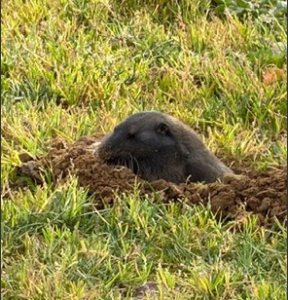
Gophers and moles are both burrowing animals, but they impact your property in different ways. Neither is interested in your home itself—instead, they live underground and create tunnel systems that affect soil structure, irrigation, and plant health.
In the Bay Area, mild temperatures and irrigated landscapes allow these pests to remain active for much of the year. Soil moisture, landscaping practices, and available food sources all influence whether they show up—and how long they stay.
Pocket Gophers: The Root Destroyers
Pocket gophers are burrowing rodents that spend nearly their entire lives underground, feeding primarily on plant roots, bulbs, and other vegetation. Once they establish themselves, your yard becomes a reliable food source.
Because they feed below the surface, the first sign homeowners notice is often plant stress. Shrubs, lawn areas, or garden plants may suddenly wilt or die without an obvious reason. In some cases, entire plants may appear to disappear as roots are consumed from below.
Beneath the surface, gophers build extensive tunnel systems used for feeding, nesting, and storing food. As they dig, they can damage irrigation lines, disrupt root systems, and create localized areas of unstable soil.
Gophers are typically solitary, meaning a single animal can cause significant damage in a relatively short period of time. However, once a tunnel system is established, other gophers may eventually move in, allowing activity to continue if not properly addressed.
Common signs of gopher activity include crescent- or fan-shaped dirt mounds, plugged tunnel openings, sudden plant decline, and soft or uneven areas in the soil.
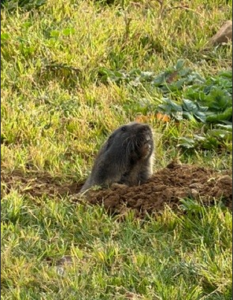
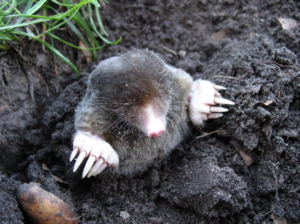
Moles: The Lawn Disruptors
Moles behave very differently from gophers. They are not rodents and do not feed on plants. Instead, they are insectivores, feeding primarily on earthworms, grubs, and other soil-dwelling organisms.
While they aren’t directly feeding on your landscaping, their tunneling activity can still cause noticeable damage. Moles create shallow surface tunnels as they search for food, which appear as raised ridges running across the lawn.
These tunnels lift and separate grass roots from the soil, which can cause turf to dry out and decline over time. Lawns often feel soft, uneven, and more difficult to maintain.
Moles are most commonly found in moist, well-irrigated soils where their food sources are abundant. This makes certain Bay Area properties—especially those with frequent irrigation or rich organic soil—more prone to mole activity.
Unlike gophers, moles may also create deeper tunnels that serve as more permanent travel routes. Their presence often indicates a strong insect population in the soil.
Common signs of mole activity include raised surface ridges, soft or spongy turf, and occasional soil mounding.
Why the Damage Adds Up
What you see above ground is only part of the problem. Underground, both gophers and moles create tunnel systems that impact soil stability and plant health.
Gophers can damage irrigation systems and destroy root systems, while moles disrupt soil structure and weaken turf. Over time, these effects compound, leading to uneven ground, declining landscapes, and ongoing maintenance challenges.
Even if one animal leaves, others can move into existing tunnel systems, allowing the problem to continue if not properly managed.
Why the Bay Area Sees Ongoing Activity
The Bay Area provides ideal conditions for burrowing pests. Mild weather allows for extended activity throughout the year, while irrigation and landscaping create consistent food and soil conditions.
Gophers are widespread across California, while moles tend to be more localized and tied to moist environments. Because conditions vary from property to property, understanding what is happening on your specific site is critical.
What You Can Do as a Homeowner
There are a few practical steps homeowners can take to reduce activity or limit damage before it becomes more severe:
- Avoid over-irrigating, especially in lawn areas
- Maintain healthy, well-managed landscaping
- Inspect your yard regularly for early signs
- Consider protective barriers for garden beds
While these steps can help reduce favorable conditions, they typically do not eliminate an established problem on their own.
Why DIY Methods Often Fall Short
Many homeowners try flooding tunnels, using repellents, or setting traps. While these approaches can sometimes produce short-term results, they often fail to address the full extent of the tunnel system.
Both gophers and moles create complex networks with active and inactive sections. Without identifying the correct areas, it’s easy to place traps in the wrong location or treat sections that are no longer in use.
This often leads to temporary improvement, followed by a return of activity.
ATCO’s Approach: Targeted and Long-Term
At ATCO Pest Control, we approach gopher and mole control using Integrated Pest Management (IPM). This means starting with proper identification, evaluating site conditions, and applying targeted solutions based on how the pest is behaving on your property.
We focus on identifying active tunnel systems, understanding what is attracting the activity, and applying control methods designed to interrupt that cycle.
When to Call a Professional
If you are seeing repeated mounds, ridges, or ongoing lawn damage—or if previous efforts have not worked—it may be time for a professional evaluation.
Persistent activity often indicates the problem has progressed beyond a simple fix.
Take Back Control of Your Yard
Gophers and moles may work underground, but their effects don’t stay hidden for long. Left untreated, they can turn a healthy yard into an ongoing source of frustration.
With the right approach, however, they can be effectively managed.
ATCO Pest Control specializes in identifying the cause of the problem and applying targeted, responsible solutions designed for long-term results.
Taking action early can save time, money, and unnecessary frustration—so you can get back to enjoying your yard.