


Carpenter Ants
Carpenter Ant Control in the San Francisco Bay Area
Seeing large black ants around your home, especially near wood, moisture, or structural areas?
Carpenter ant control is important when these ants begin nesting in or around wood structures. Unlike other ants, carpenter ants tunnel through wood to create galleries, which can lead to structural concerns over time if left untreated.
For immediate help, call 1-833-326-2826 or use the blue “Text Us” button to get started.
What Are Carpenter Ants?
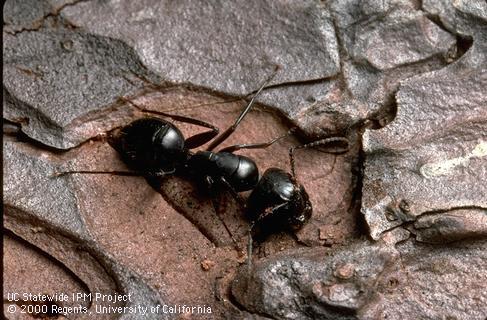
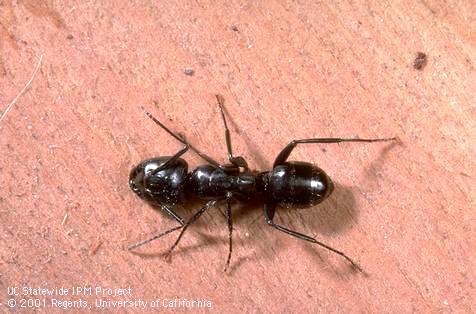
Carpenter ants are larger than most household ants and are typically black or dark brown. They are commonly found in areas where moisture and wood are present.
Unlike termites, carpenter ants do not eat wood. Instead, they excavate smooth tunnels inside wood to create nesting areas. Over time, this activity can weaken wood structures if colonies expand.
Where Carpenter Ants Are Found
Carpenter ants are typically associated with moisture and wood damage.
- Wall voids and structural framing
- Window and door frames
- Crawl spaces and subareas
- Rooflines and attic areas with moisture issues
- Decks, fences, and exterior wood structures
If moisture is present, the risk of carpenter ant activity increases significantly.
Signs of Carpenter Ant Activity
- Large ants appearing indoors
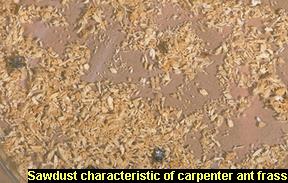
- Sawdust-like material near wood
- Rustling sounds inside walls
- Winged ants appearing indoors
- Activity near moisture-damaged wood
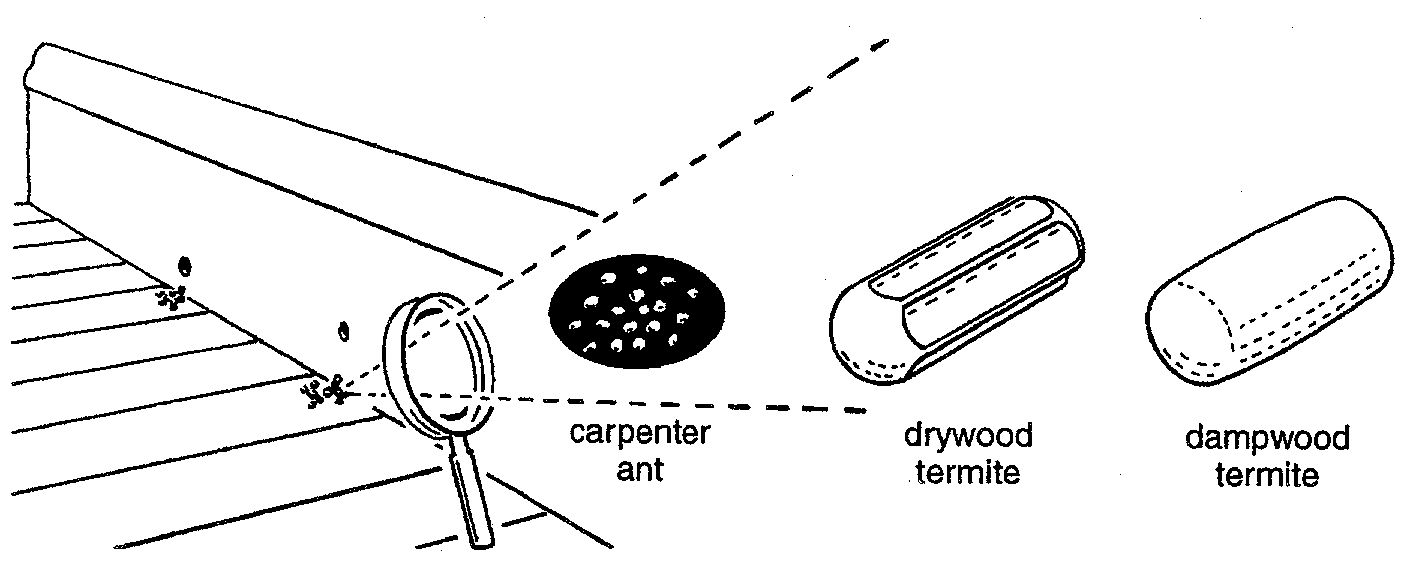
Frass is one of the clearest indicators of carpenter ants. Unlike termites, carpenter ants push debris out of their tunnels, which leaves visible material behind.
If you are seeing these signs, contact ATCO Pest Control before the damage worsens.
Carpenter Ants vs Termites
It is common to confuse carpenter ants with termites, especially when wood debris starts appearing around the home. The difference matters, because the source of the damage and the treatment strategy are not the same.
- Carpenter ants: tunnel through wood to make galleries, but do not eat it
- Drywood termites: consume wood and leave pellet-shaped droppings
- Dampwood termites: are strongly associated with damp, decaying wood
Carpenter ant frass usually looks more like a loose mix of sawdust, insect parts, and wood shavings. Termite droppings tend to look more uniform. If you are finding debris near wood, guessing is a bad plan. Proper identification comes first.
What Carpenter Ant Damage Looks Like
Carpenter ant damage typically appears as smooth, hollowed-out galleries inside wood. This is different from termite damage, which often appears rougher and follows a different pattern inside the wood.
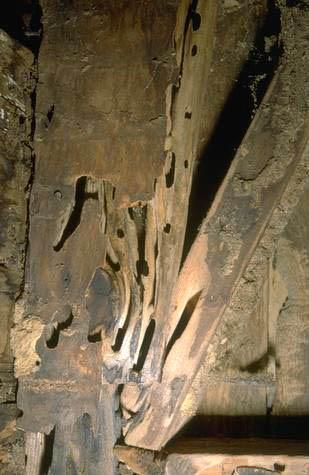
If you are seeing frass, damaged wood, or moisture issues together, the problem may already be more advanced than it looks from the outside.
Why Carpenter Ant Problems Develop
Carpenter ants are strongly linked to moisture. Conditions that contribute include:
- Leaks or water intrusion
- Poor drainage
- Wood-to-soil contact
- Decaying or untreated wood
Without correcting these conditions, carpenter ant activity can return even after visible ants disappear.
How ATCO Handles Carpenter Ant Problems
Carpenter ant control requires identifying both the colony and the conditions allowing it to exist.
- Locating nesting areas and activity zones
- Targeted treatment within structural voids where necessary
- Strategic use of baits and precision applications
- Recommendations to correct moisture issues
- Guidance on long-term prevention
This approach focuses on resolving the source of the infestation rather than temporarily reducing visible activity.
Related Ant Issues
Not all ants behave the same. Learn more about other common ant problems:
When to Call a Professional
You should contact a pest control professional when:
- You are seeing large ants regularly indoors
- Frass or wood debris is present
- You suspect activity inside walls
- There are moisture-related issues
- You are not sure whether the problem is carpenter ants or termites
Early action helps prevent more extensive structural concerns.
Get Help with Carpenter Ants Today
If carpenter ants are present, addressing the issue early can prevent further damage.
Call 1-833-326-2826, use the blue “Text Us” button, or contact ATCO Pest Control to get started.